

“This is the strange thing: Dancers don’t age.” Twyla Tharp
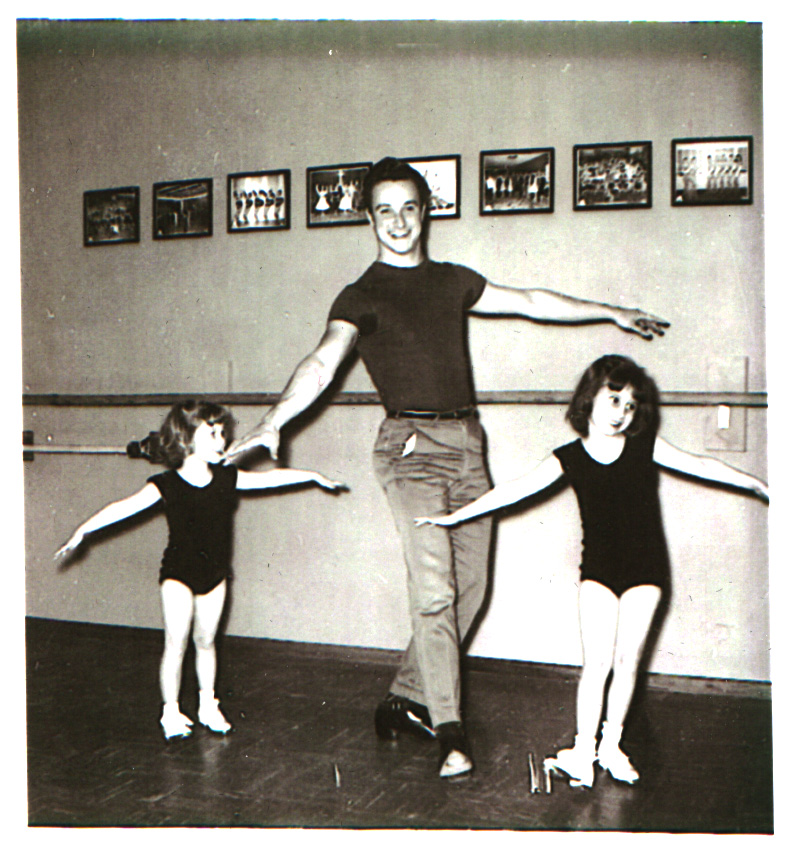
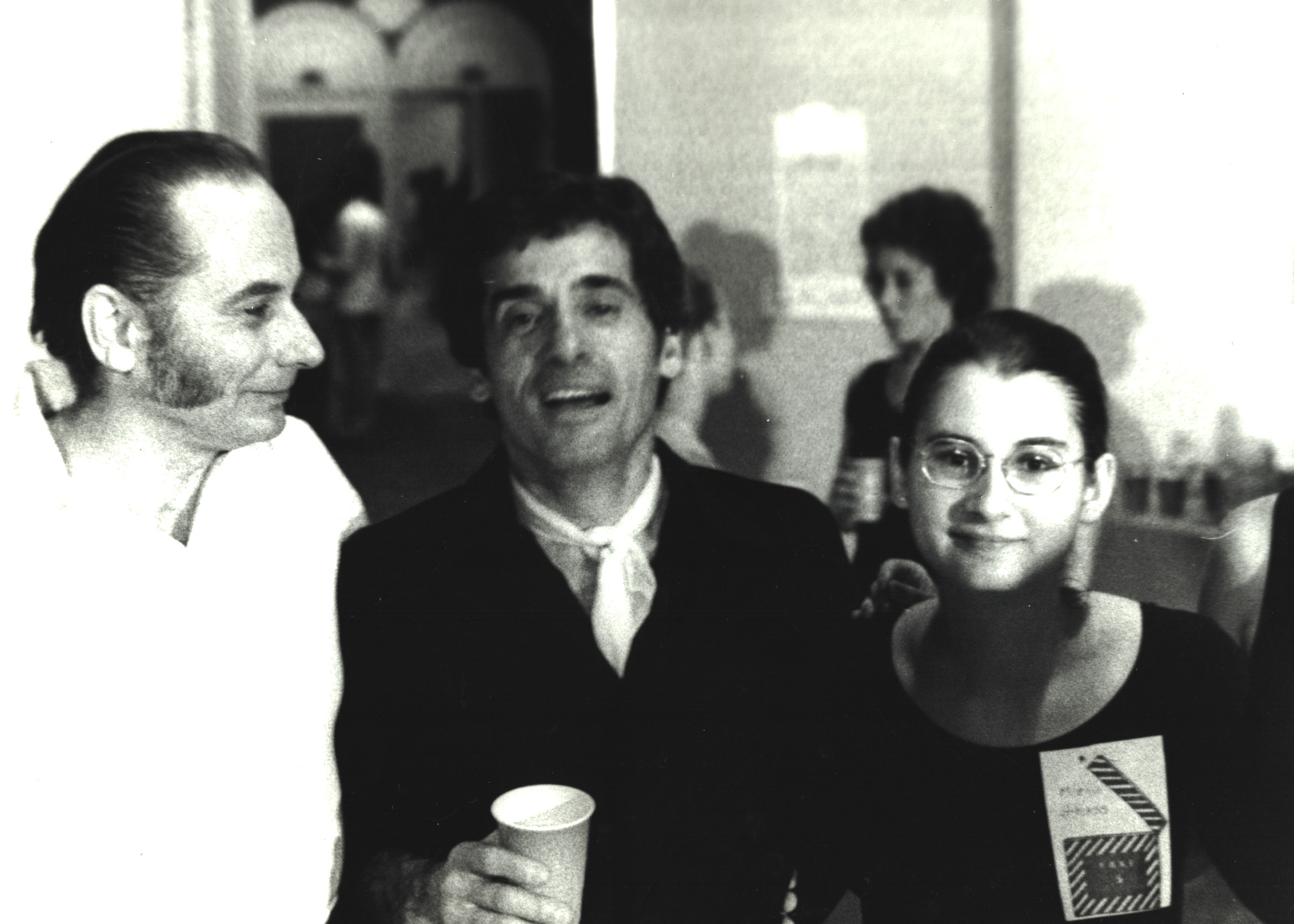
I am a dancer. Descended from Chicago Dance Royalty my father, Charles Grass, was Bob Fosse’s vaudeville partner and Ruth Page’s assistant. My parents met during an Opera Theater of Chicago production of “The Bohemian Girl,” when Dad served as stage director/choreographer and Mom was the Prima Donna. I’m not kidding when I say I’ve been on stage since I was a baby.
My feet hurt. This isn’t unusual, they always do. I’ve had arthritis in the joints of my big toes since I was 25. The bone spur on the ball of my left foot arrived to wish me a happy birthday when I turned 60. If you watched me walk across a room, you would never guess; remnants of my dancing years and I suck it up.
I remember my first pair of tap shoes…white patent leather…and Mom scolding me for doing step-ball-changes on the parquet floor. Baby Sissy and I took tap lessons with Dad’s business partner, “Uncle” Benny Smith. Our first routine was a cha-cha, “No Can Do,” and I still remember some of the steps. I didn’t really like tap. Four years old was too young to take ballet class Dad said, so I took tap.
My first ballet teachers were Ruth Ann Koeson and Johnny Kriza, both former dancers with American Ballet Theater and Dad’s friends. Very suddenly there was a place for me in their classes and there wasn’t time to get a pair of ballet shoes. I had tights and a leotard, but Grandma Grass (an experienced Ballet Mama) thought it would be fine for me to take class without shoes. It felt strange that first day, but Ruth Ann assured me it would be okay. In fact, she called Johnny into class to look at my feet. I studied with them about a year before they decided I should move on to study with their teachers and Dad’s at Stone-Camryn School of Ballet. I rose through the ranks at Stone-Camryn, being told by my parents to never let my classmates know who my father was. Mr. Camryn outed me one day in class when he said I was “no chip off the ol’ block.”
I loved Mr. Stone but I adored Mr. Camryn. Years later, I learned he adored me too. He had a funny way of showing it, since he would continually mention my “pear shape” inherited from Mom, a coloratura soprano. I was 86 pounds but deemed too “fat” for a prima ballerina. I wasn’t beautiful or tall and long legged but funny with an expressive face, a perfect character dancer. He called me Zasu Pitts when he wasn’t calling me “Grass.”
Mr. Stone was an enigma, and I was terrified to take class with him. In my first ones, I was shy and very tentative in my movements. After a few classes, Mr. Stone turned to me and bellowed, “Good God, Girl! Walter said you had spunk…where is it?!??!” I had a habit of “mugging” in class, especially if I was making a mistake and knew it; Mr. Camryn thought it was hilarious, but Mr. Stone did not. I broke that habit.
When I was about 13, I realized Dad wasn’t dancing much. He taught, touring during the summers, but didn’t seem to perform a lot. I always wanted to be involved in dance somehow. One day before class I told Mr. Camryn I wanted to be a ballet conductor. He told me I was being silly because girls didn’t conduct orchestras, but I could probably be a choral conductor. I would first dance, then go to conservatory.
After I wrecked my ankle at the age of 16, I set course for music school, still taking class because I didn’t know I could stop. This is part of the work ethic from ballet class that has held me in good stead in my life as a conductor and singer; to continue no matter what. My character dance personality followed me to music school as I was classified a soubrette; a soprano with high notes who is a comedienne. Being funny has always made me feel powerful and, I might not get the fella, but I get the laugh! Mr. Camryn saw it in me when I was 13 and nurtured it. It always seemed when I needed money, I had an opportunity to teach class or choreograph a show fall into my lap; dance has been good to me.
I have poise my non-dancing peers do not. One of my voice teachers said I have something special, something that makes people want to look at me. I think it’s because of my Stone-Camryn training. I learned things have a beginning and middle and an end. I understand the need for practice, the need for consistency and the need for me to be the best I am able for my students and choirs. I try to bring those values from the dance studio to the life I now lead. I never expected to do what I do. And whatever I do, I bring a bit of The Barre with me. I have a dancer’s heart and will always be a dancer, no matter how old I am.
Leave a Reply
You must be logged in to post a comment.